arly learning centers play a crucial role in shaping the foundational experiences of young children. They are places where the seeds of lifelong learning and social interaction are planted. It is essential for these centers to be well-designed to maximize their potential benefits. This article explores the key features and aspects that an ideal early learning center should encompass.
1. What are the essential features of an early learning center?
Early learning centers should prioritize safety and accessibility to ensure that all children can thrive. This includes having secure boundaries, child-friendly furniture, and specialized equipment that meets safety regulations.
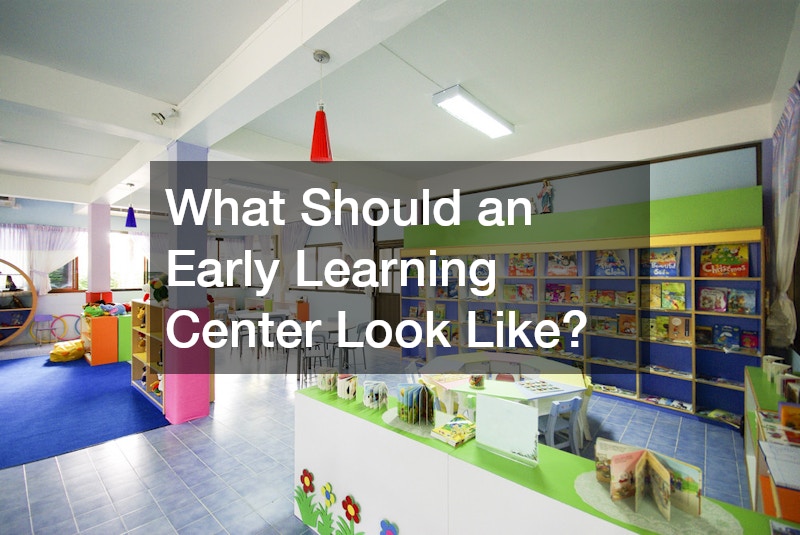
Beyond physical safety, emotional security is critical; centers should create an environment that is welcoming and nurturing to foster children’s well-being. Classrooms should be designed to be flexible and adaptable to accommodate a variety of learning activities. Moreover, incorporating play-based learning areas encourages exploration and discovery, which are fundamental to early childhood development.
Spaces should be vibrant, incorporating colorful and immersive decorations to stimulate young minds. Colors have a psychological impact, and utilizing them effectively can boost mood and concentration. Thoughtful design can enhance a child’s creativity and imagination, providing them with different stimuli to explore. Furthermore, it is crucial to include quiet zones where children who may need a break from stimuli can relax and feel comfortable. The inclusion of such features considers the diverse needs of young learners and supports a balanced approach to education.
To support diverse learning needs, an early learning center must include technology-enhanced learning opportunities. Incorporating technology in education helps children become acquainted with digital tools from an early age, equipping them with valuable skills for the future. Interactive screens and educational software can introduce educational content in engaging ways. Such tools should be used prudently to supplement traditional educational materials, ensuring a hands-on learning experience. Technology integration should be seamless and purposeful, aiming to enhance rather than replace traditional teaching methods.
2. How does the layout influence child development?
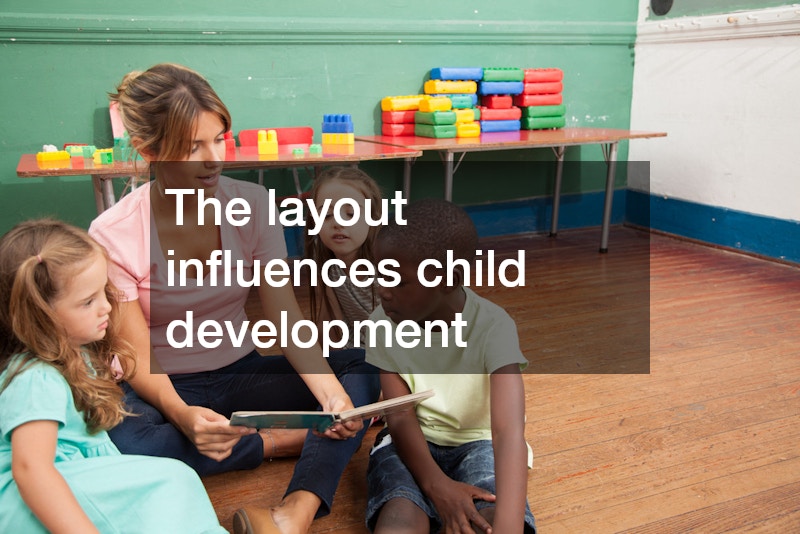
The layout of an early learning center significantly impacts how children interact with their learning environment. An open-plan design encourages movement and social interaction among peers, which is essential for developing social skills. Spaces should be organized logically to guide children naturally from one area of activity to another without feeling overwhelming. A good layout considers different zones for varied activities such as reading, art, play, and science exploration. This organizational approach can help children learn to transition between tasks smoothly, enhancing their adaptability.
An effective layout also promotes independent learning, offering children opportunities for discovery and self-directed activities. Classrooms should be designed to allow easy access to materials, enabling children to choose their activities and engage with learning resources independently. This fosters a sense of responsibility and boosts confidence, as they learn to make choices about their learning. The kindergarten classrooms often include areas for role-play and experimentation, activities that are crucial for developing problem-solving skills and critical thinking. The well-planned layout balances guided instruction with independence to encourage holistic growth.
Moreover, the spatial arrangement should cater to diverse learning styles and preferences. Children are naturally diverse and learn in different ways, whether through visual, auditory, or kinesthetic modalities. Providing varied seating and workstations caters to these preferences, supporting an inclusive environment where every child can thrive. Quiet reading nooks and open play zones must coexist to respect the individual learning styles. By offering such diverse environments within the same space, early learning centers can tailor their educational approaches to suit all learners.
3. What role do educators play in the design?
Educators are fundamental to the design and functionality of early learning centers. They provide valuable insights due to their hands-on experience with children, which should be considered during the design process. Educators can identify what works well in practical settings and suggest modifications that enhance learning outcomes. Their role in designing environments that promote inquiry and curiosity cannot be understated, as they understand the intricacies of child development. Involving educators in design decisions ensures that spaces are both educationally effective and comfort-oriented.
Educators also influence the creation of curricular frameworks that align with the physical environment of the learning center. They ensure that the spaces support applicable educational standards and objectives. For instance, an educator would recognize the need for interactive bulletin boards to display children’s work, fostering a sense of accomplishment and identity. Providing feedback loops between classrooms and design adjustments facilitate harmonious integration of pedagogy and physical space. This iterative process allows centers to evolve continually, maintaining relevance to changing educational needs.
Furthermore, educators play a pivotal role in resource curation within the learning space. They determine the materials and tools that children engage with, ensuring these resources are safe, diverse, and conducive to learning. The decision to incorporate certain technologies and learning aids should reflect the educator’s understanding of their students’ needs and abilities. They can predict how a learning environment might affect children’s behavior, helping to preemptively address challenges that may arise. By leveraging educators’ expertise, early learning centers can create dynamic and responsive learning environments.
4. How can the design adapt to diverse learners?
The capability to accommodate diverse learners is paramount in early learning center design. This includes considerations for children with special needs, ensuring facilities are inclusive and accessible. Creating sensory-friendly zones is one way to support children who might be overwhelmed by noise and activity. By employing sound-absorbing materials and soft lighting, sensory spaces can offer calmness and comfort. Such accommodations foster an inclusive environment where every child feels supported and valued.
Incorporating elements that celebrate diversity and inclusivity, such as multicultural art pieces and multilingual resources, enriches the learning experience. This approach broadens children’s understanding and appreciation of different cultures from an early age. It is also beneficial to display books and games that represent a variety of cultures and backgrounds. By doing so, children learn to recognize and respect differences, promoting empathy and social understanding. Designing a curriculum and environment that reflect diversity ensures that each child’s unique background is seen and celebrated.
The adaptability of space and resources to meet evolving needs is another critical feature. As children grow and their learning needs change, so must the learning environment. Flexible furniture that can be rearranged and multipurpose areas that serve various educational activities allow for continual adaptation. Employing adaptive design principles ensures that spaces remain relevant and effective over time. A fluid and versatile design empowers teachers and students to reimagine the learning environment to better suit their needs.
5. How does sustainability impact early learning centers?
Sustainability is increasingly becoming a key concern in the design of early learning centers. Implementing environmentally friendly practices fosters an appreciation for ecological stewardship within young learners. Sustainable design can include energy-efficient lighting, extensive use of natural light, and sustainable building materials. Such features not only reduce the environmental footprint of the center but also teach children about the importance of caring for the planet from an early stage. Setting an example of sustainability in their everyday environment helps instill values of conservation and responsibility.
Using natural elements in the design can also significantly benefit children’s physical and mental well-being. Incorporating plants and natural materials such as wood into classrooms enriches the learning environment, offering aesthetic and health benefits. Natural elements can enhance air quality and provide a more calming and grounded environment conducive to learning. Exposure to nature, even in an indoor setting, has been known to boost focus and creativity while reducing stress. These benefits underline the importance of a biophilic design approach in early learning settings.
Moreover, sustainability is not just about the physical structures but also the educational practices within the center. Incorporating themes of environmental conservation into the curriculum supports holistic education that connects theory with practice. Activity-based learning can include gardening projects or recycling programs that actively engage children in sustainable practices. By interweaving sustainability into both architecture and education, early learning centers cultivate environmentally conscious future generations. Children become advocates for sustainability, equipped with knowledge and practices that benefit society and the planet.
Designing effective early learning centers requires thoughtful attention to various elements that influence children’s development and learning. By considering elements such as layout, educator involvement, adaptability, and sustainability, a holistic and nurturing environment can be forged. Addressing these aspects thoughtfully not only benefits young learners but also sets a standard for educational spaces that support lifelong learning. Ultimately, the way we design early learning environments reflects our commitment to prioritizing the development and well-being of future generations.