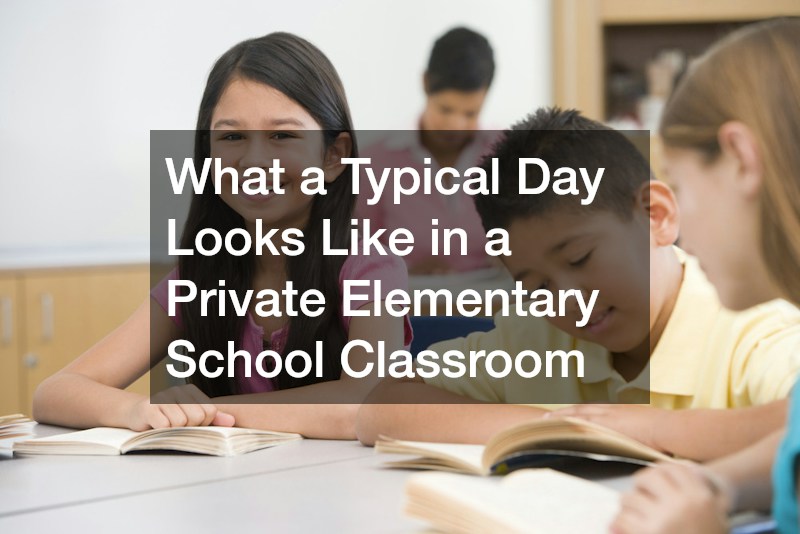
In a private elementary school setting, each classroom is designed to provide a nurturing and stimulating environment that promotes both academic and personal growth among the young learners. The day-to-day activities are strategically structured to balance academic rigor with creative exploration, ensuring that students receive a well-rounded education.
How is the daily schedule structured in a private elementary school?
Morning Routine
The morning routine in a private elementary school sets a positive tone for the rest of the day. Students engage in activities like morning meetings or circle time, fostering a sense of community. These activities are key in nurturing a welcoming and stable environment where students feel connected and ready to learn.
Teachers often incorporate mindfulness exercises or brief physical activities into the morning routine to help students focus. The schedule is usually consistent, allowing children to understand and anticipate what comes next. This structure helps minimize anxiety and sets clear expectations for the day.
The morning routine may also include a review of the day’s agenda, which helps students prepare mentally for the learning tasks at hand. By discussing the plan for the day, teachers can address any immediate questions or concerns students may have. This proactive approach contributes to a smooth transition into academic subjects.
Core Academics
Core academic blocks are designed to maximize learning by focusing on key subjects such as math, language arts, science, and social studies. In private elementary schools, these subjects are often taught in dedicated blocks of time to maintain concentration and depth of learning. The focus on core academics ensures that students build a strong foundation of essential skills and knowledge.
Teachers use various instructional strategies to engage students and keep them motivated. Interactive activities, discussions, and hands-on learning are common throughout these periods. By incorporating different teaching methods, educators cater to diverse learning preferences and keep the lessons dynamic and engaging.
Assessments are integrated into the academic blocks to evaluate student progress and understanding. This may include quizzes, projects, or presentations, allowing teachers to adapt their instruction based on student needs. Regular feedback helps students recognize their strengths and areas for improvement, fostering a culture of continuous learning.
Afternoon Activities
After lunch, students partake in activities that balance academics with other important skills. Art, music, and physical education are excellent outlets for creativity and physical development. These sessions provide a break from the core academics and allow students to express themselves in different ways.
In private schools, there may be more flexibility in the afternoon schedule to accommodate extracurricular interests. Clubs and special interest groups offer pupils a chance to explore topics they are passionate about. This balance between academic and supplementary activities helps students develop into well-rounded individuals.
Afternoon activities often encourage collaboration and teamwork as students work together on projects or games. This not only strengthens social skills but also reinforces lessons learned during the morning sessions through real-world applications. By the end of the day, students leave school feeling accomplished and eager to return.
What teaching methods are commonly used?
Interactive Learning
Interactive learning in private elementary schools emphasizes active student involvement through hands-on activities and discussions. Such methods are not only engaging but also foster critical thinking and problem-solving skills. Teachers aim to create an environment where students feel comfortable expressing their ideas and collaborating with peers.
The use of group projects and interactive games is prevalent, making learning both enjoyable and effective. With smaller class sizes, teachers can provide more personalized attention and tailor activities to suit the unique dynamics of the class. This structure encourages students to take ownership of their learning and be more invested in the process.
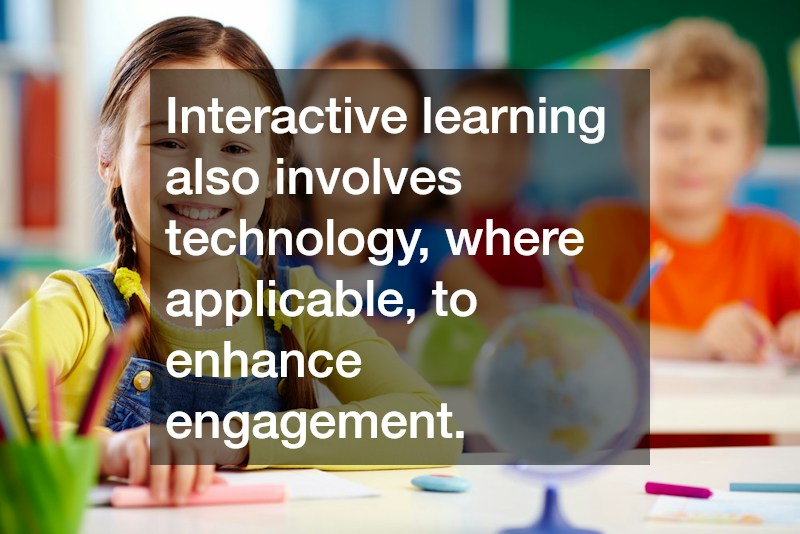
Interactive learning also involves technology, where applicable, to enhance engagement. Digital platforms or educational apps can provide interactive simulations and activities that complement traditional methods. Such integration ensures that students remain engaged and acquire a modern skill set alongside traditional academics.
Continuous assessments and formative evaluations allow for ongoing insight into student progress. Teachers can adapt instruction based on real-time feedback, ensuring students receive the necessary support or challenge to optimize their learning experience. Such assessments promote a growth mindset and encourage students to take ownership of their education.
Teachers utilize assessment results to refine curricula and adjust lesson plans, ensuring instruction meets classroom needs. Regular communication with parents through progress reports and meetings strengthens the partnership between home and school. Together, these practices help track development effectively and support each student’s educational journey.