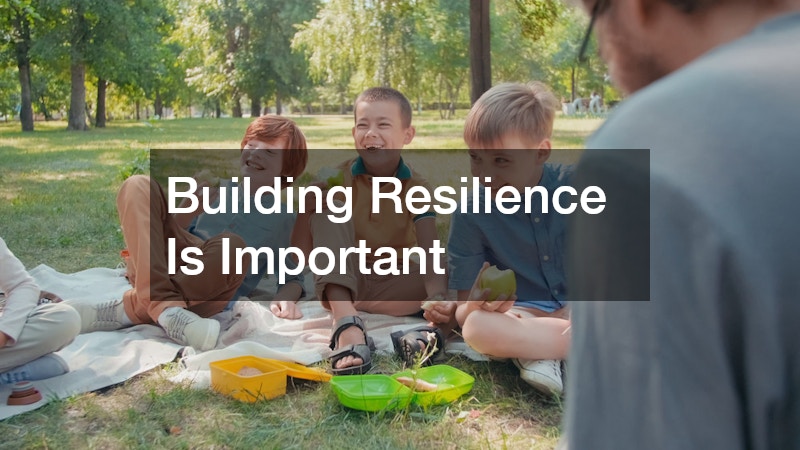
Summer camps have historically been a staple for children’s summertime activities, offering a break from the academic year and a chance to explore new interests. Over recent years, the popularity of summer camps has soared as more parents recognize their potential to provide enriching experiences beyond simple entertainment. These camps are not only enjoyable but serve as foundational experiences that foster important life skills and personal growth. Parents see them as valuable investments in their children’s social, physical, academic, and emotional development. This article delves into the multifaceted benefits of summer camps, exploring how they can leave lasting impacts on campers.
How Does Summer Camp Enhance Social Skills?
Developing Communication Skills
At a summer camp Miami parents love, they provide an ideal setting for children to develop their communication skills in various subtle and overt ways. By interacting with peers and camp leaders, children learn to express their thoughts clearly and effectively. Structured activities encourage kids to articulate ideas, listen actively, and respond appropriately. Over time, children become more adept at understanding non-verbal cues, adjusting their communication styles to suit different social contexts. Moreover, these skills extend beyond camp and help them navigate school and family interactions with greater confidence.
Building Friendships
The social nature of summer camps facilitates the formation of deep and lasting friendships. Being away from a familiar environment prompts children to reach out and build connections with those around them. Shared experiences, whether in cabin activities or outdoor adventures, create bonds that often extend beyond the camp experience. These friendships allow for the exchange of diverse perspectives, enriching the campers’ social lives in meaningful ways. In the context of ever-evolving social media, real-world friendships built at camp provide a grounding and enduring support system.
Teamwork and Cooperation
Participating in team activities during summer camps cultivates a sense of teamwork and cooperation among campers. Whether engaged in a group challenge or a competitive sport, children learn the importance of each member’s contribution towards achieving a common goal. Team activities nurture respect for others’ ideas and foster collective problem-solving. Overcoming challenges together can instill a sense of camaraderie and teach the value of collaboration over competition. These teamwork experiences reinforce children’s ability to work with others, a skill that will serve them in all future educational and professional endeavors.
Conflict Resolution
In any social setting, conflicts can arise, and summer camps provide safe environments for children to learn conflict resolution skills. Through guidance and support from camp counselors, children are encouraged to address conflicts openly and constructively. They learn to express their disagreements in a non-confrontational manner and seek compromise. These experiences help children understand the importance of patience and empathy in resolving disputes. With these skills, campers return home better equipped to handle disagreements in personal and academic settings.
Cultural Sensitivity and Inclusion
Many summer camps now emphasize cultural diversity and promote inclusivity among campers. Children from various backgrounds come together, sharing experiences and learning from one another, which fosters an appreciation for different cultures. Exposure to diversity helps children learn cultural sensitivity, an essential skill in today’s globalized world. Camps that include programs focused on inclusivity teach kids the value of acceptance and unity. These lessons prepare children to engage with diverse groups positively, a crucial skill in growing multicultural societies.
What Role Does Summer Camp Play in Personal Development?
Independence and Self-Reliance
At summer camp, children often find themselves in situations where they must make decisions independently, away from parental oversight. This newfound independence teaches them accountability for their choices and actions. Whether deciding how to spend free time or managing personal belongings, campers learn self-reliance and responsibility. This fosters a sense of autonomy, crucial for healthy personal development. As children grow into adults, these lessons manifest in their ability to make thoughtful decisions and manage life tasks independently.
Self-Confidence Boost
The camp environment is designed to challenge and support children as they step out of their comfort zones. Each new activity or challenge faced and overcome contributes to a growing sense of self-confidence. Encouragement from peers and counselors helps children recognize their abilities and potential. As kids achieve personal milestones at camp, they return home with heightened self-esteem and a belief in their ability to tackle new challenges. This confidence follows them well beyond camp, positively impacting learning and social interactions throughout their adolescent and adult life.
Time Management
Structured schedules at summer camps teach children essential time management skills, an often-overlooked aspect of personal development. Daily routines filled with activities require children to prioritize tasks, an excellent practice for future academic and career settings. Learning to balance fun and responsibilities helps children appreciate the importance of order and discipline. The ability to manage time effectively ensures campers can enjoy every moment at camp while fulfilling obligations. These skills transition into their school days, enhancing academic performance and personal effectiveness.
Personal Responsibility
At summer camp, children are entrusted with managing their belongings and personal space, cultivating a sense of personal responsibility. Camp settings emphasize the significance of each camper’s role within the community, highlighting individual contributions to the group’s wellbeing. Activities like meal preparation or maintaining cleanliness teach accountability and ownership of actions. As campers participate in duties essential to camp operation, they grasp the importance of fulfilling responsibilities. These experiences lay the groundwork for understanding the responsibilities they will encounter as adults.
Leadership Skills
Many camps offer opportunities for children to assume leadership positions, whether as a group activity leader or team captain. Encouraging responsibility for peers fosters leadership qualities such as integrity, patience, and effective communication. Children learn to inspire and direct others toward common goals, gaining confidence in their ability to lead. As they practice these roles, they realize the importance of sound decision-making and empathy in leadership positions. These experiences instill leadership skills crucial for future roles in education, careers, and community participation.
How Does Summer Camp Affect Physical Health?
Outdoor Activities and Exercise
The outdoor-centric nature of many summer camps means children engage in physical activities that greatly benefit their health. Sports, hiking, swimming, and other dynamic activities enhance physical fitness, building strength, endurance, and agility. Active play not only promotes healthy physical development but also helps combat the sedentary lifestyle common among children today. Camps emphasize the joy and benefits of moving, encouraging children to lead active lives. The physical activity at camp often ignites a passion for sports and recreation that can last a lifetime.
Healthy Lifestyle Habits
Summer camps frequently prioritize the teaching of healthy lifestyle habits, from balanced nutrition to regular physical activity. Kids experience meals planned to provide balanced nutrients and learn the importance of fueling their bodies correctly. Counselors model healthy living, and camp activities inherently encourage active lifestyles, imparting the benefits of such routines to campers. These lessons instill lifelong health habits, reducing risks of lifestyle-related diseases. When children return home, the principle of maintaining a healthy lifestyle often influences family routines positively.
Learning New Skills
Summer camps provide a platform for children to learn new physical skills, which promote fitness and well-being. Activities like archery, canoeing, or rock climbing are common at camps and help build physical strength and coordination. As kids acquire these skills, they gain a sense of achievement, boosting their confidence. Skill acquisition promotes mental growth and keeps children engaged and motivated. Moreover, mastering new activities inspires further exploration of physical pursuits, contributing to lifelong fitness and well-being.
Resilience and Endurance
Summer camps often incorporate activities that challenge children physically and mentally, building resilience and endurance. Campers learn to push limits, developing the grit needed to face future challenges whether at school or life. Endurance-based activities encourage children to persevere through fatigue, ultimately improving their physical and mental stamina. These experiences teach lessons in effort and determination, valuable aspects of overcoming adversity. Building resilience at camp translates into greater self-assurance and the ability to handle stress effectively in other areas.
Relaxation and Stress Reduction
Amidst the bustle of activities, summer camps also provide opportunities for relaxation and stress reduction. Quiet moments around a campfire, meditative nature walks, or crafts provide necessary breaks that promote mental health. Activities designed for downtime help campers manage stress, an increasingly relevant skill in fast-paced, high-pressure environments. Teaching relaxation techniques empowers children to handle stress effectively, promoting mental clarity and emotional stability. These practices become essential strategies for managing stress in school and beyond.
In What Ways Do Summer Camps Support Academic Growth?
Hands-On Learning
Summer camps offer hands-on learning experiences that complement traditional classroom education. Activities like building a birdhouse or conducting a simple science experiment engage children in practical applications of theoretical knowledge. By connecting hands-on activities with concepts learned in the classroom, camps bridge the gap between theory and practical understanding. These immersive experiences spark curiosity and enhance retention, making learning more engaging and effective. As children grasp theoretical concepts through practice, their enthusiasm for learning grows.
Strengthening Problem-Solving Skills
Camp activities often require children to engage in critical thinking and problem-solving. Whether building a raft or mastering a complex puzzle, campers learn to assess situations and develop solutions creatively. Experiencing success in problem-solving increases children’s confidence and improves their ability to think critically. As camps emphasize innovation and resourcefulness, children learn to approach challenges with an open mind and perseverance. These problem-solving skills are pivotal in both academic and social contexts, laying the foundation for future success.
Creativity Enhancement
Creative activities at camp encourage children to think imaginatively and express themselves freely. Arts and crafts, theater productions, and story creation are common camp activities that inspire innovative thinking. Encouraging creativity helps children develop original ideas, an essential skill in personal and professional realms. As creativity flourishes, children learn to approach tasks with originality and confidence, fostering an appreciation for their unique contributions. Creativity sparked at camp becomes a valuable tool for cognitive flexibility and emotional intelligence.
Exposure to Diverse Subjects
Specialized camps expose children to a wide range of subjects, from robotics to environmental science. By engaging with different topics, campers can discover new interests and deepen existing passions. Exposure to diverse subjects encourages children to cultivate a broad knowledge base, enhancing their academic repertoire. These experiences often inspire a love for subjects not typically explored during the school year. Camps foster exploration, showcasing the breadth of knowledge available and promoting intellectual curiosity.
Encouragement of Lifelong Learning
Summer camps instill a love for learning by making education an enjoyable and unforced experience. Activities fueled by exploration and curiosity teach children that learning extends beyond textbooks and classrooms. This fun approach to education fosters an appreciation for lifelong learning. Children who embrace continual education are better equipped for real-life challenges, viewing learning as a valuable, ongoing journey. Encouraging lifelong learning at camp helps shape motivated, independent learners ready for future academic and personal success.
What Effect Does Summer Camp Have on Emotional Well-being?
Building Resilience
Children at summer camp encounter challenges that encourage them to develop resilience. Whether experiencing personal or group setbacks, campers learn the value of perseverance and adaptability. Encountering small doses of failure in a supportive environment allows children to develop a proactive and resilient mindset. As they learn to rebound from setbacks, campers build an inner strength that supports their emotional well-being in all aspects of their lives. Resilience gained at camp prepares children to face future challenges with assuredness and positivity.
Developing Empathy
Camp activities that involve group dynamics and empathy-focused projects teach children the significance of understanding others’ perspectives. Through collaboration and shared experiences, children learn to empathize, developing an appreciation for diverse emotions and viewpoints. This fosters compassion and helps children engage with others in meaningful and positive ways. Empathy at camp is a foundation for enriched social interactions and emotional intelligence, helping children form positive relationships. These lessons contribute to a world where understanding and tolerance are increasingly important qualities.
Overcoming Homesickness
One of the emotional milestones for many campers is learning to handle homesickness. Being away from home and family encourages children to become emotionally resilient and independent. With support from counselors and peers, campers discover ways to cope with the absence of familiar comforts. Overcoming homesickness is a part of emotional growth that strengthens children’s self-assurance and adaptability. This newfound emotional independence reinforces their capability to tackle future fears or discomforts with confidence.
Self-Awareness
Summer camps provide space for children to become more self-aware, understanding personal strengths and areas for growth. Activities that challenge physical and mental limits promote introspection and self-discovery. As children explore new experiences, they develop a clearer sense of identity and self-concept. Understanding themselves better enables campers to navigate personal relationships and academic pursuits effectively. The self-awareness fostered at camp becomes a cornerstone for self-improvement and personal satisfaction, leading to holistic well-being.
Encouraging a Positive Attitude
At camp, fostering a positive attitude is crucial, as it influences the overall experience and helps children cope with adversity. The encourage encouragement of optimism and positivity is woven into camp culture, aiding in supportive and thriving environments. A positive outlook helps children face challenges with enthusiasm, cultivating a mindset inclined toward solutions rather than obstacles. Through affirmations and reinforcement, campers learn the value of maintaining a positive approach. This mindset is instrumental in achieving success and contentment throughout life’s many phases.
In summary, summer camps contribute significantly to the holistic development of children, equipping them with essential skills that support personal and academic growth. From enhancing social capabilities to fostering a love for lifelong learning, the long-term benefits of camp participation are plentiful. Camps nurture emotional intelligence, physical health, and developmental skills, crafting well-rounded individuals ready for future challenges. By understanding and integrating these values, children emerge from camp more confident, capable, and prepared for society’s dynamics. Summer camps remain valuable platforms for childhood development, fostering individuals who can contribute positively to the world.